Max Planck Transatlantic Center
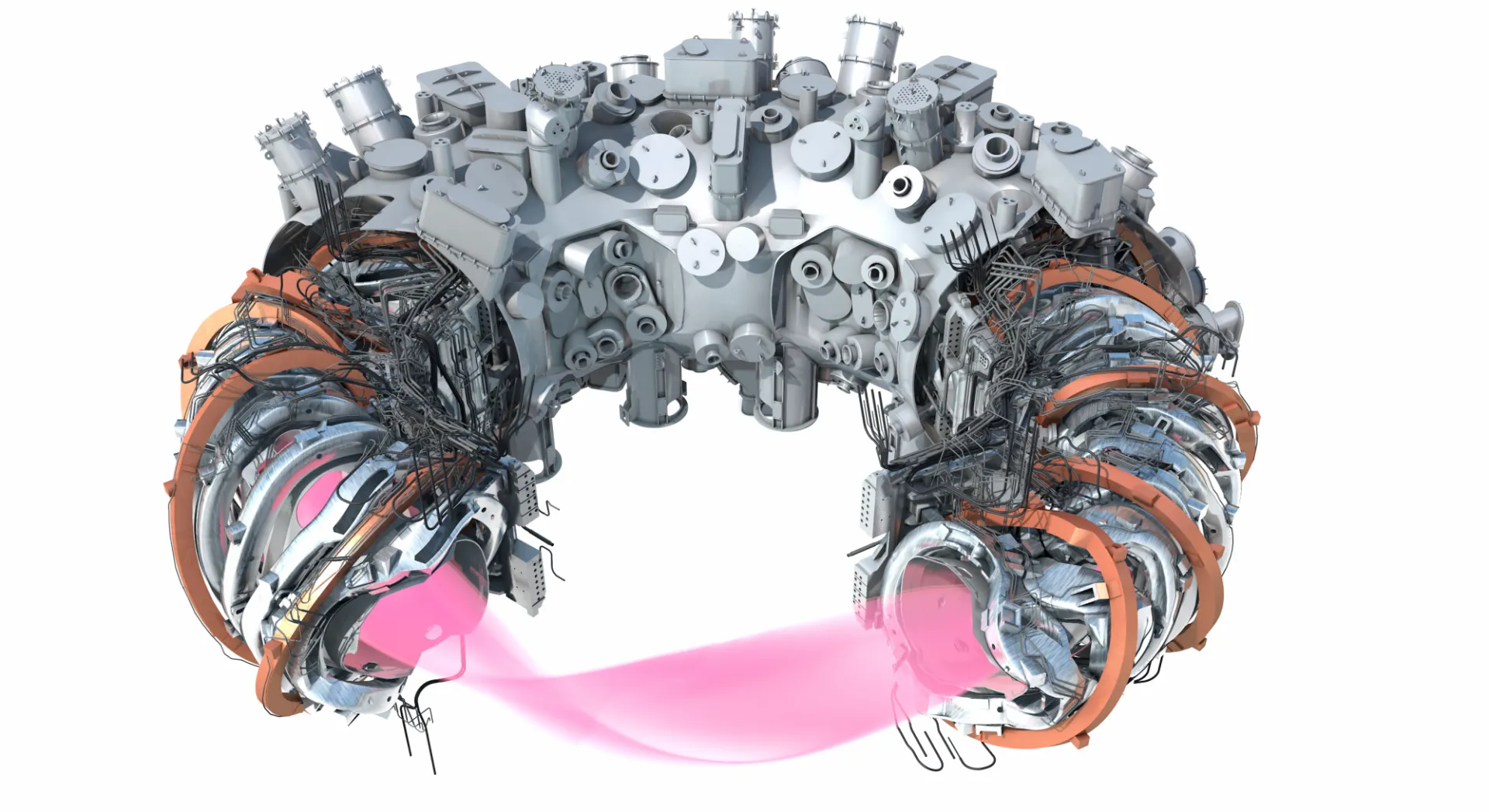
Columbia and the Max Planck Institute for Plasma Physics have launched a new five-year joint transatlantic center "Optimizing Symmetry in Fusion Plasmas" aimed at accelerating innovation in fusion energy science.
The new Max Planck-Columbia Center will have a total budget of $12.5 million over its five-year term and begins in late 2026. The center will be co-directed by Thomas Klinger, Director at the Max Planck Institute for Plasma Physics and Carlos Paz-Soldan, Associate Professor of Applied Physics and Applied Mathematics at Columbia Engineering and Director of the Columbia Fusion Research Center. The topics of collaborative research are described below.
Description of Collaborative Research Areas
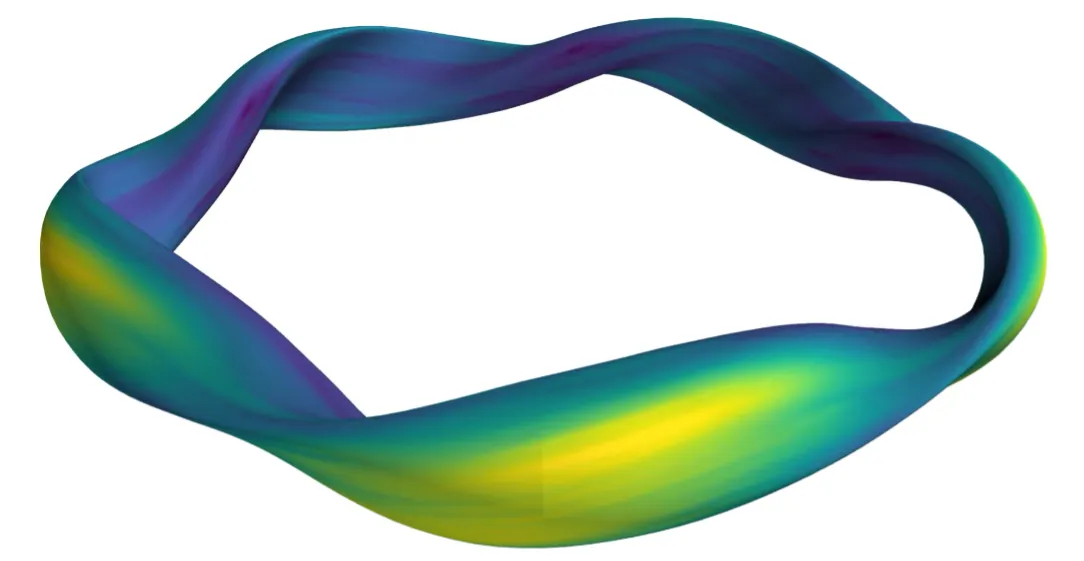
This work addresses the still partly unresolved challenge of power and particle exhaust in optimized stellarators. Novel transport and turbulence codes will be developed, improved, benchmarked, and validated against experimental data. The goal is to establish quantitative predictive capabilities.
Point of Contact: Ben Zhu
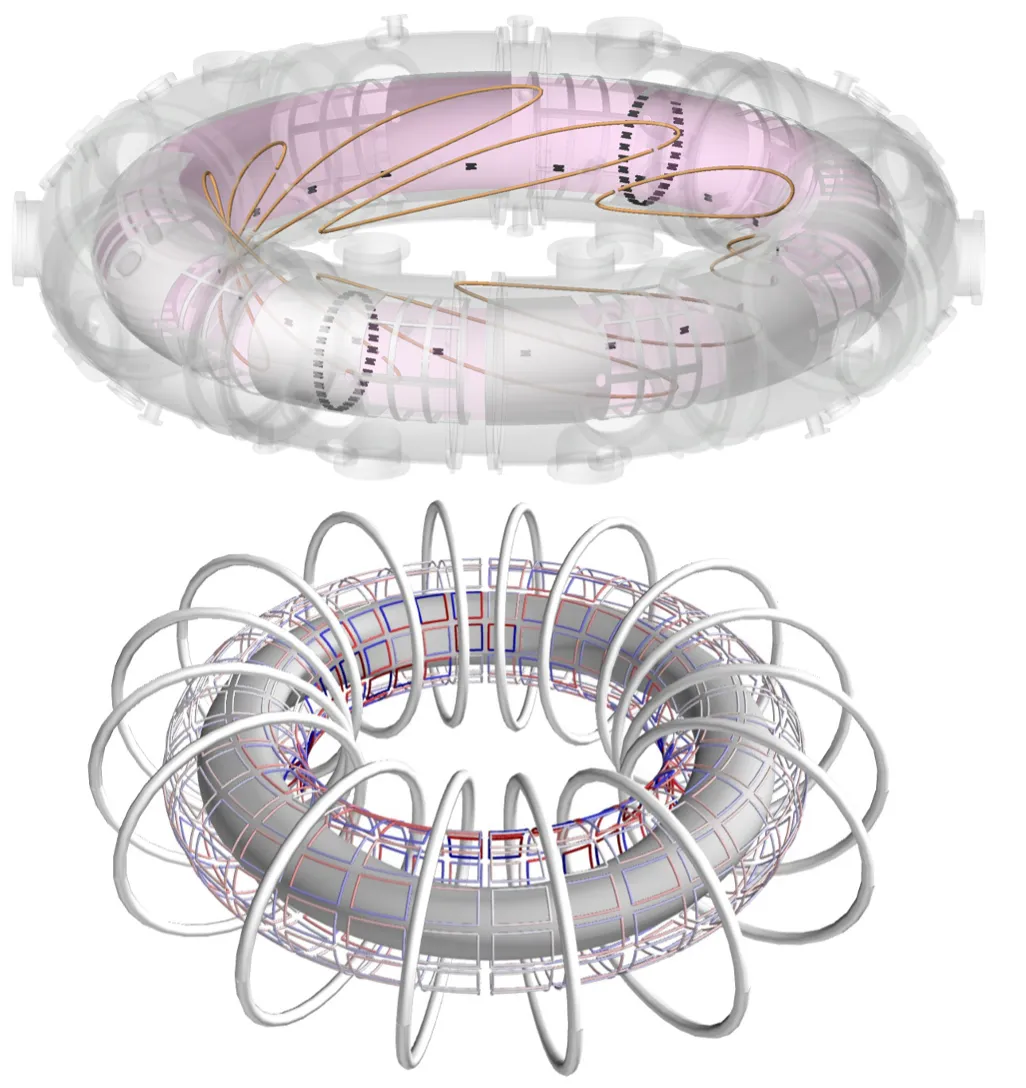
This work package aims to develop a hybrid concept combining features of stellarators and tokamaks. Researchers will seek a compact and stable magnetic configuration with excellent plasma confinement properties.
Research Page: HBT-EP Tokamak
Point of Contact: Jeffrey Levesque
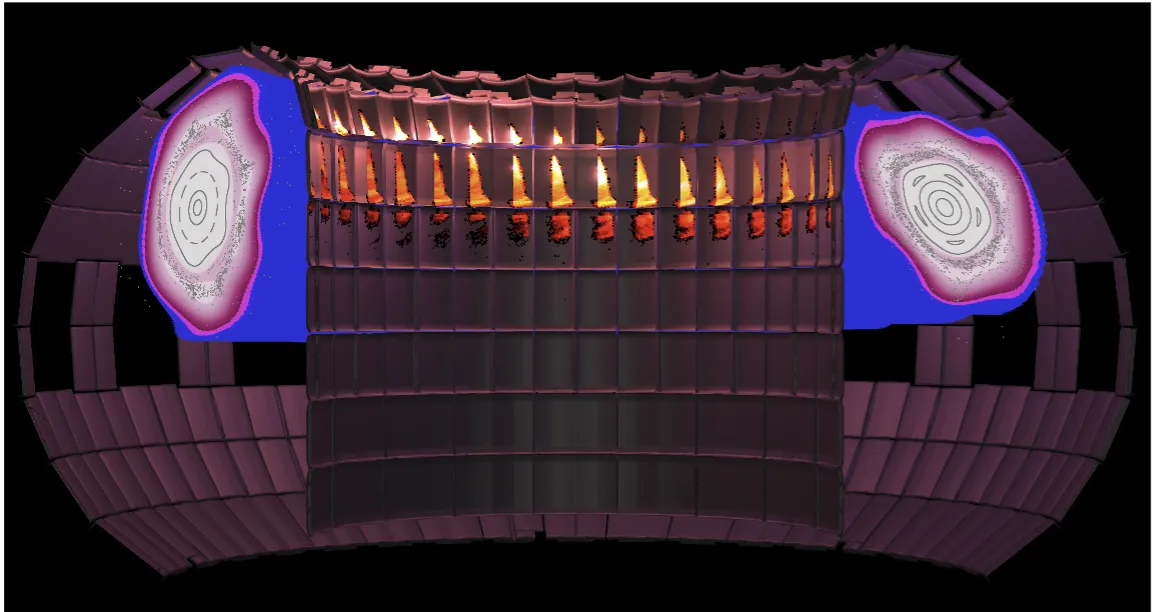
Researchers will investigate plasma transients in tokamaks and stellarators using computer simulations. Such major events break the symmetry of the plasma and lead to an abrupt loss of thermal energy and, ultimately, the generation of fast particles. Both effects can endanger plasma-facing components.
Research Page: Disruption Mitigation Research
Point of Contact: Christopher Hansen and Benedikt Zimmermann
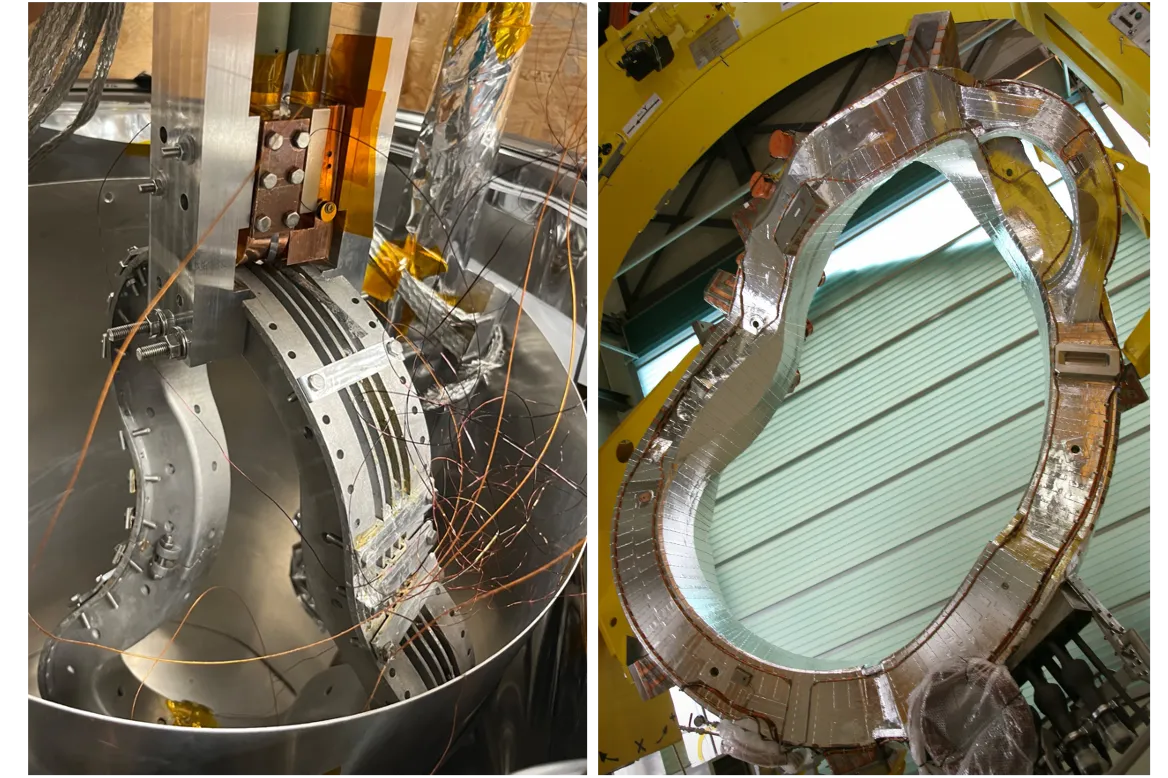
This work package focuses on the engineering development of high- and low-temperature superconducting magnets. Researchers aim to improve the understanding of quench behavior—the physical phenomena that occur during the transition from the superconducting to the normal-conducting state—and to investigate the stresses and strains that arise in non-planar magnets.
Research Page: Columbia Stellarator eXperiment (CSX)
Point of Contact: Carlos Paz-Soldan
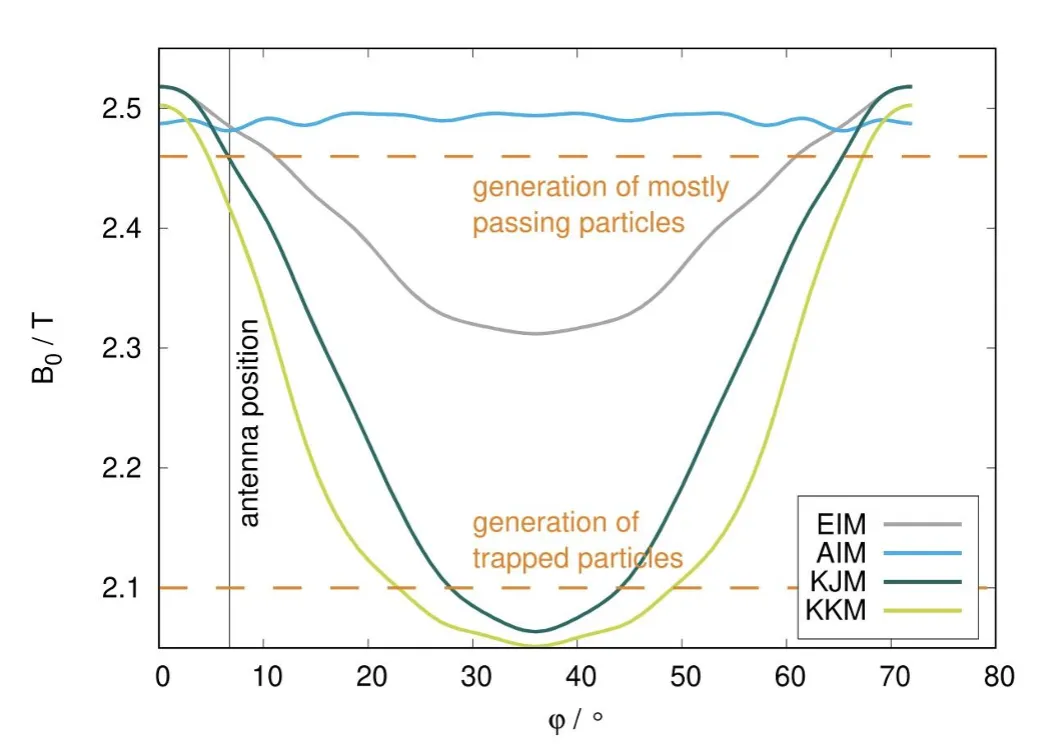
The aim is to improve the understanding of interactions between energetic particles and Alfvénic modes. Researchers will also consider novel aspects of their coupling to plasma microturbulence. Alfvénic modes are characteristic oscillations in a magnetized plasma in which the plasma and magnetic field move in a coupled manner.
Research Page: Theory of Stellarator Configurations
Point of Contact: Elizabeth Paul
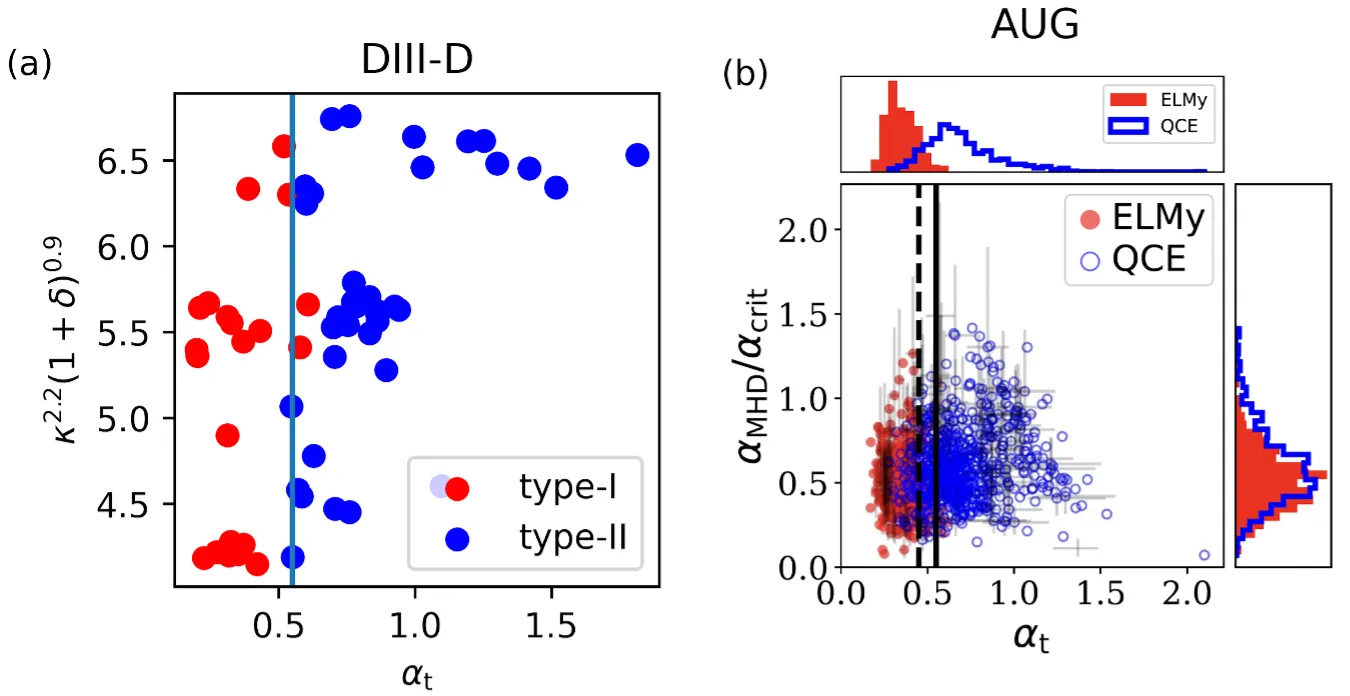
Researchers will conduct coordinated experiments and perform multi-machine modeling of large edge instabilities in tokamaks. Particular emphasis will be placed on quasi-continuous exhaust and plasmas with negative triangularity.
Research Page: Tokamak Edge Stability
Point of Contact: Oak Nelson
Please contact the relevant task leads to get involved !