SPARC
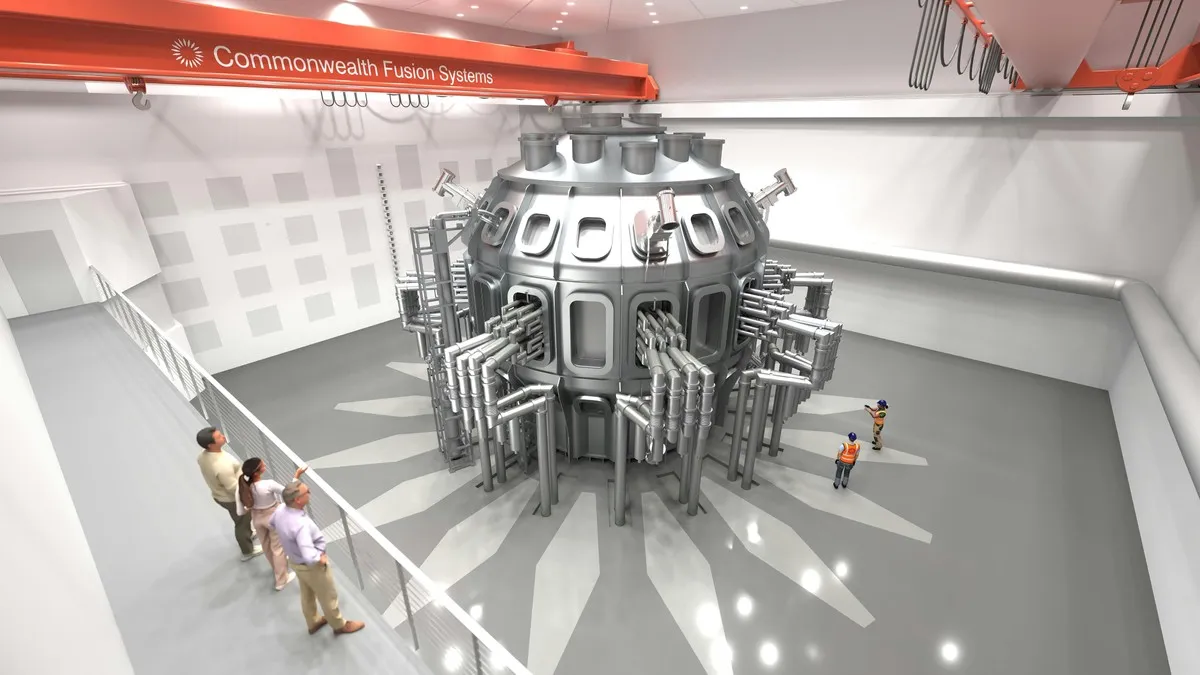
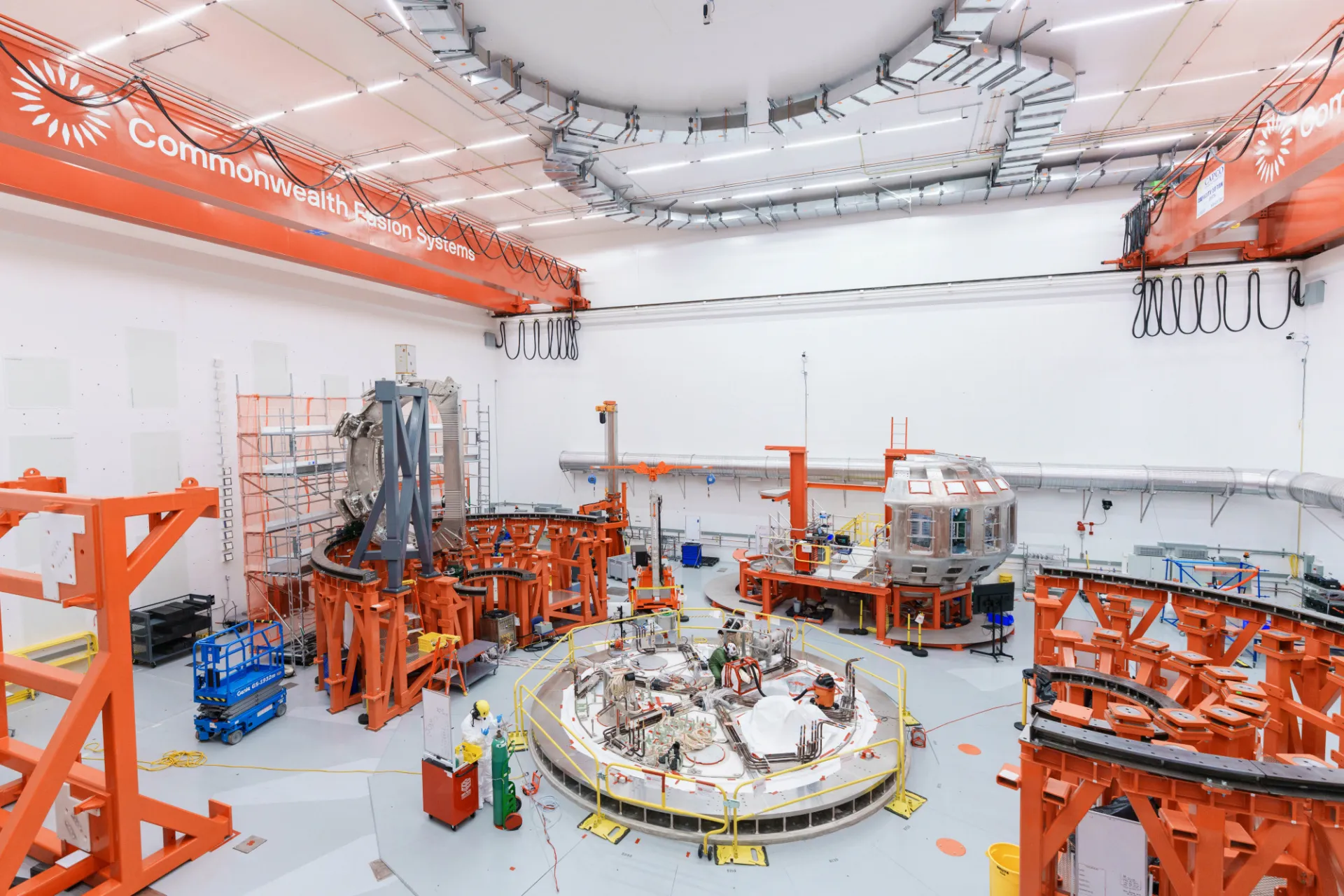
SPARC® is a compact, high-field tokamak that Commonwealth Fusion Systems (CFS) is building to demonstrate net fusion energy (more energy from fusion reactions than is used to heat the plasma).
SPARC Tokamak:
SPARC is a tokamak, a donut-shaped fusion machine developed by Commonwealth Fusion Systems (CFS). Its primary initial objective is to produce a fusion plasma with Q > 1 (fusion power output greater than heating power input) by exploiting the confinement benefits of high-temperature superconducting (HTS) magnets that enable a compact design approach. SPARC is a precursor to ARC, a commercial fusion power plant CFS has begun designing. Data from SPARC is intended to de-risk key technologies, validate confinement and stability models and enable rapid deployment of grid-connected fusion power plants.
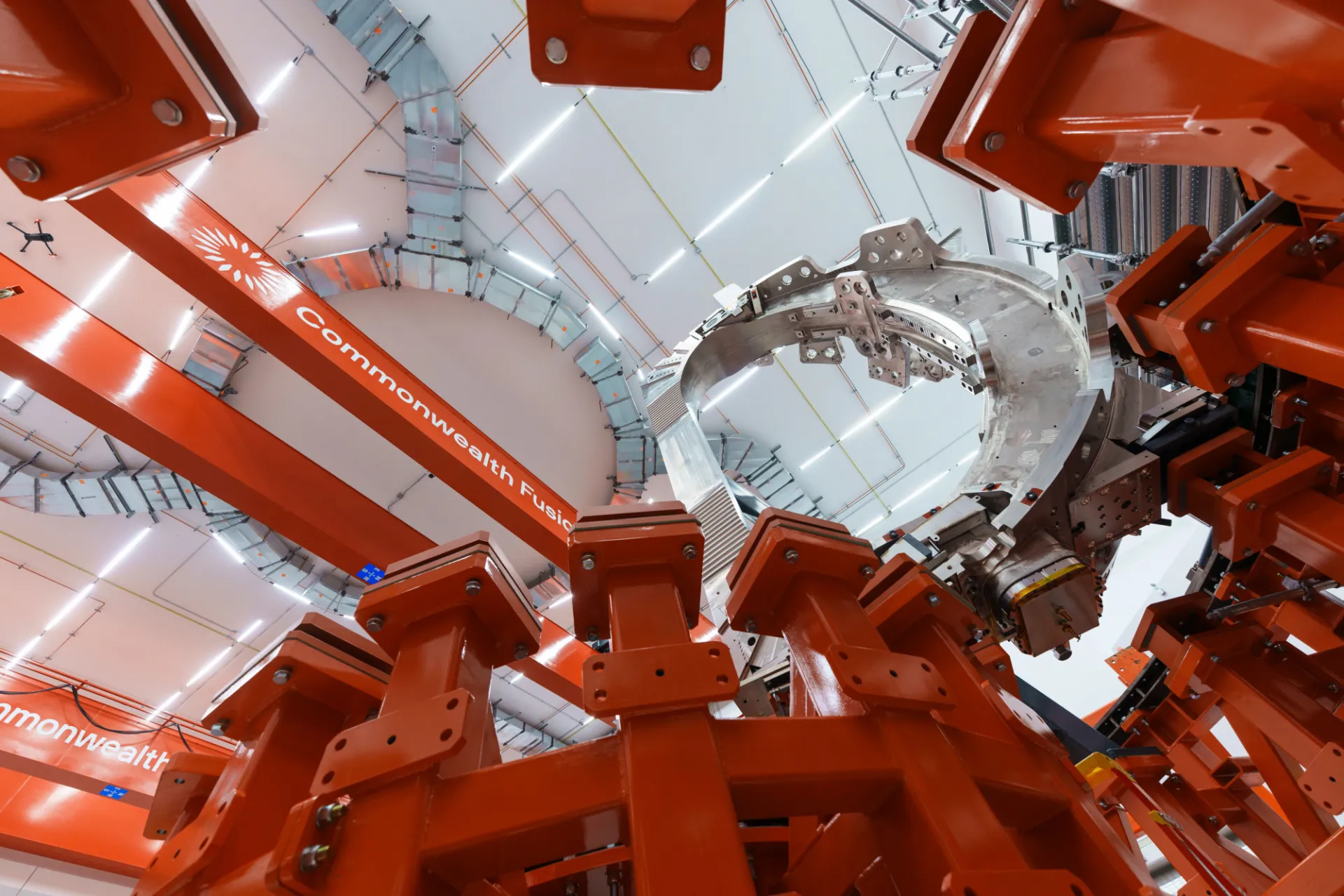
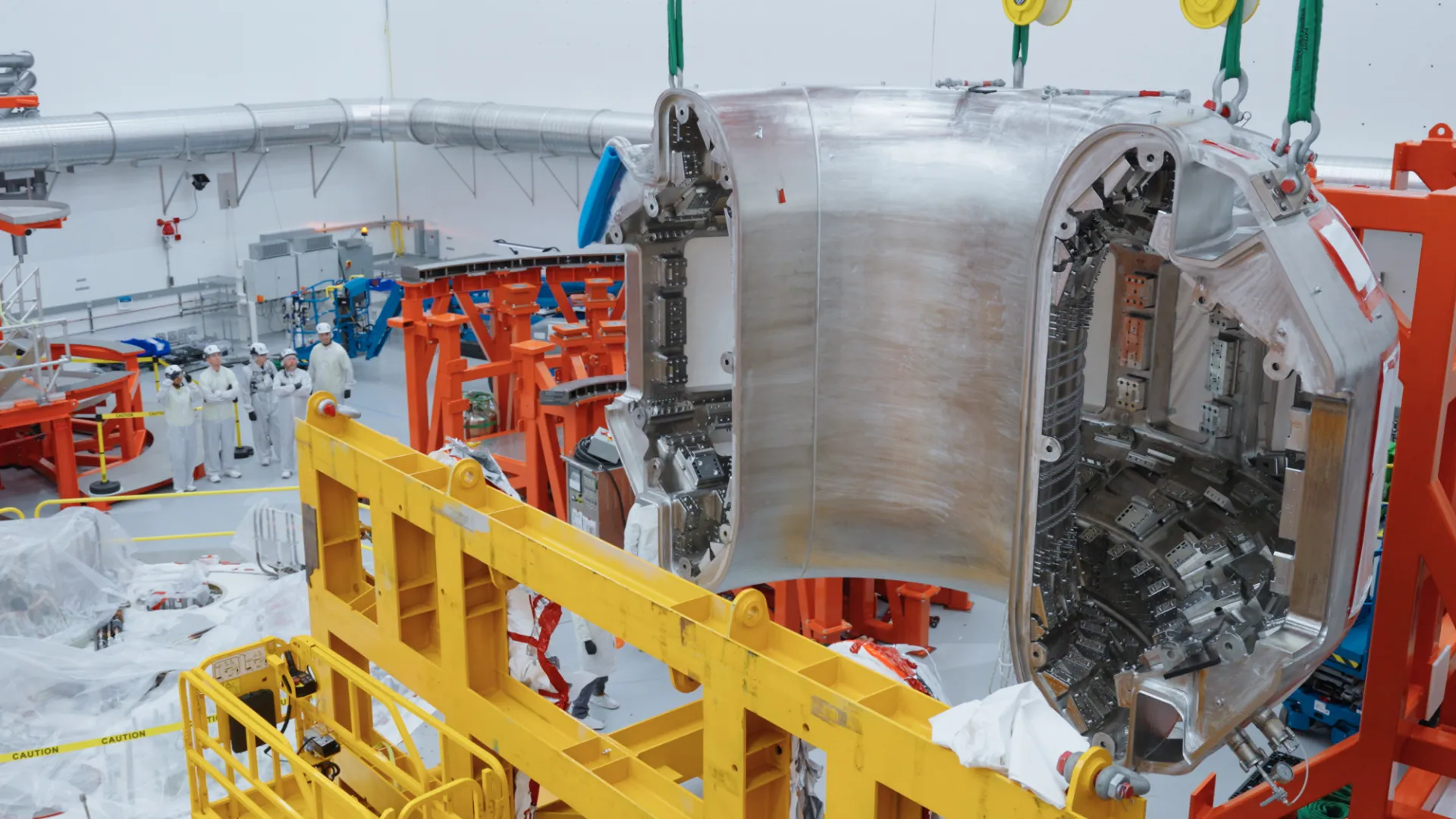
Although SPARC is still under construction, research at this facility has contributed to world-leading science by 1) providing solutions to physics and operational issues critical to the success of tokamak fusion pilot plants and 2) advancing the fundamental understanding and predictive capability of fusion science. CFS also has advanced the understanding of practical tokamaks by publishing SPARC’s physics basis.
SPARC in particular offers a unique platform to investigate:
High-temperature superconducting (HTS) magnets: SPARC uses REBCO HTS magnets, which can generate magnetic fields of ~20 tesla—much stronger than conventional tokamak magnets. Higher magnetic field strength allows smaller device size, higher plasma pressure and a potentially faster path to fusion-relevant performance.
Compact design philosophy: traditional tokamaks scale up in size to improve performance. SPARC instead relies on stronger magnetic fields to achieve similar or superior plasma conditions in a much smaller volume. This potentially benefits construction feasibility, power plant economics, and energy density and offers a unique platform to investigate many key aspects of tokamak physics.
Net fusion energy: unlike experimental tokamaks focused on plasma physics alone, SPARC is explicitly designed to produce deuterium-tritium fusion that can demonstrate net fusion energy and validate the physics and engineering assumptions needed for a power plant. SPARC is designed to ultimately reach a performance level of Q=11.
Columbia research on SPARC occurs in the following areas (click for links)
Disruption Mitigation
Research, led by Prof. Paz-Soldan, explores the mitigation of off-normal plasma quenches (called disruptions) in the SPARC tokamak.
Edge Stability
Research into the edge stability of tokamak plasmas focuses on ways to control the edge-localized mode (ELM) instability on SPARC and future compact fusion devices.
Scenario Development
As a new experimental facility, SPARC will have unique plasma properties that will likely lead to new and innovative plasma scenarios. Work on this topic is supported by the Open FUSION Toolkit.