Fuel Cycle
The fusion fuel cycle is an active area of research at Columbia, with on-campus experimental components, national laboratory collaborations, and significant undergraduate involvement.
Pellets at Columbia
Fusion reactions require temperatures exceeding 100 million degrees Celsius. To sustain fusion reactions over time, the plasma must be fueled with gaseous hyrdogenic isotopes. The extreme plasma temperature rapidly ionizes injected neutral gases. Once ionized, inward transport of injected material is halted, and ionized material is fixed to a surface of constant magnetic flux. To deliver material into the core of the plasma, where the bulk of the fusion reactions occur, material is injected in the form of cryogenic pellets, formed at temperatures approaching 0 degrees Kelvin. High-speed injection of dense cold pellets allows material to reach the plasma core before ionization.
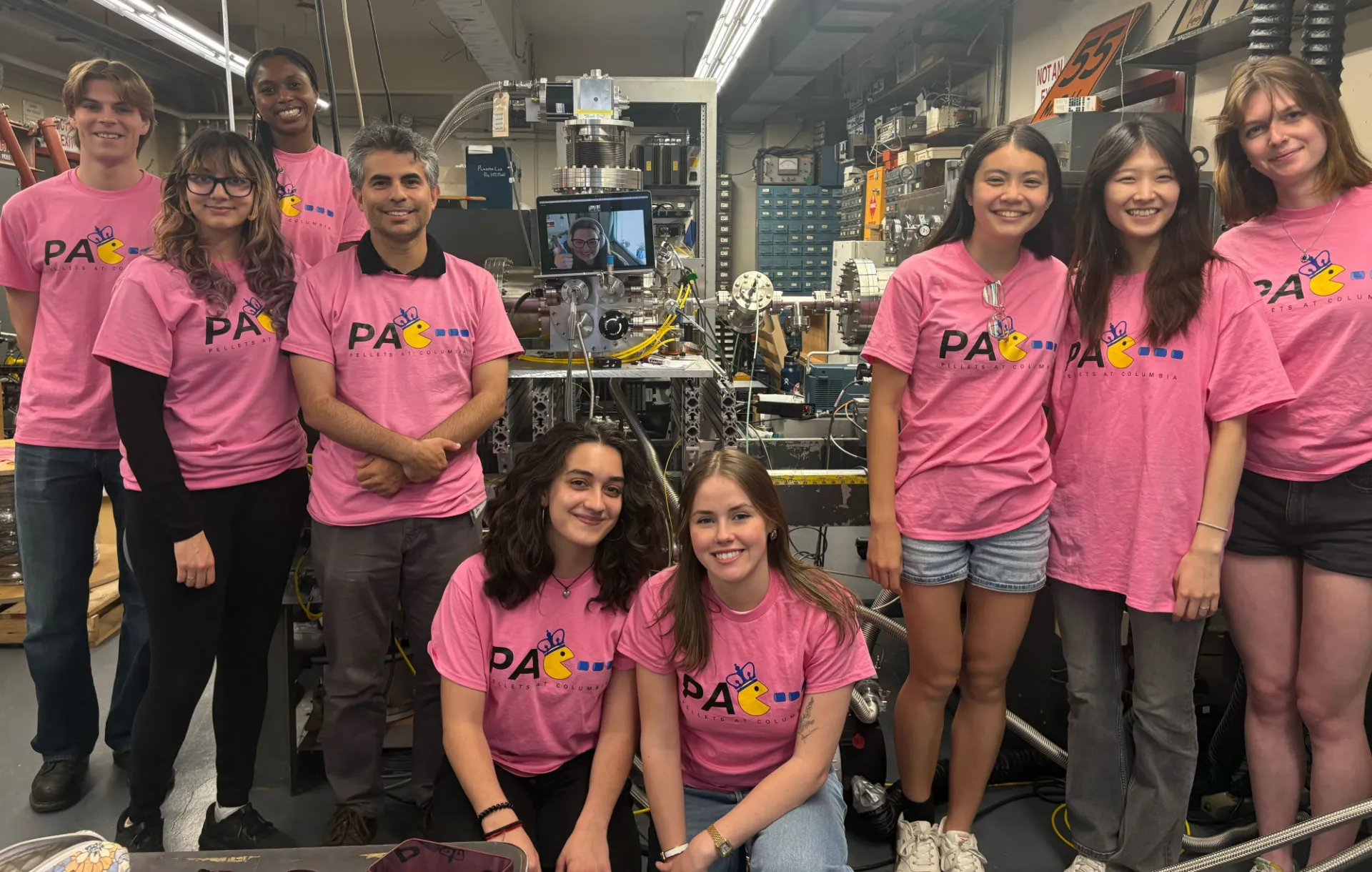
Pellet injection is a versatile tool, used for fueling, disruption mitigation, density control, edge-localised mode pacing, and accessing advanced plasma scenarios. Pellets At Columbia (PAC) is an operational on-campus experiment serving as a versatile testbed for research in pellet formation, injection, and particle interaction.
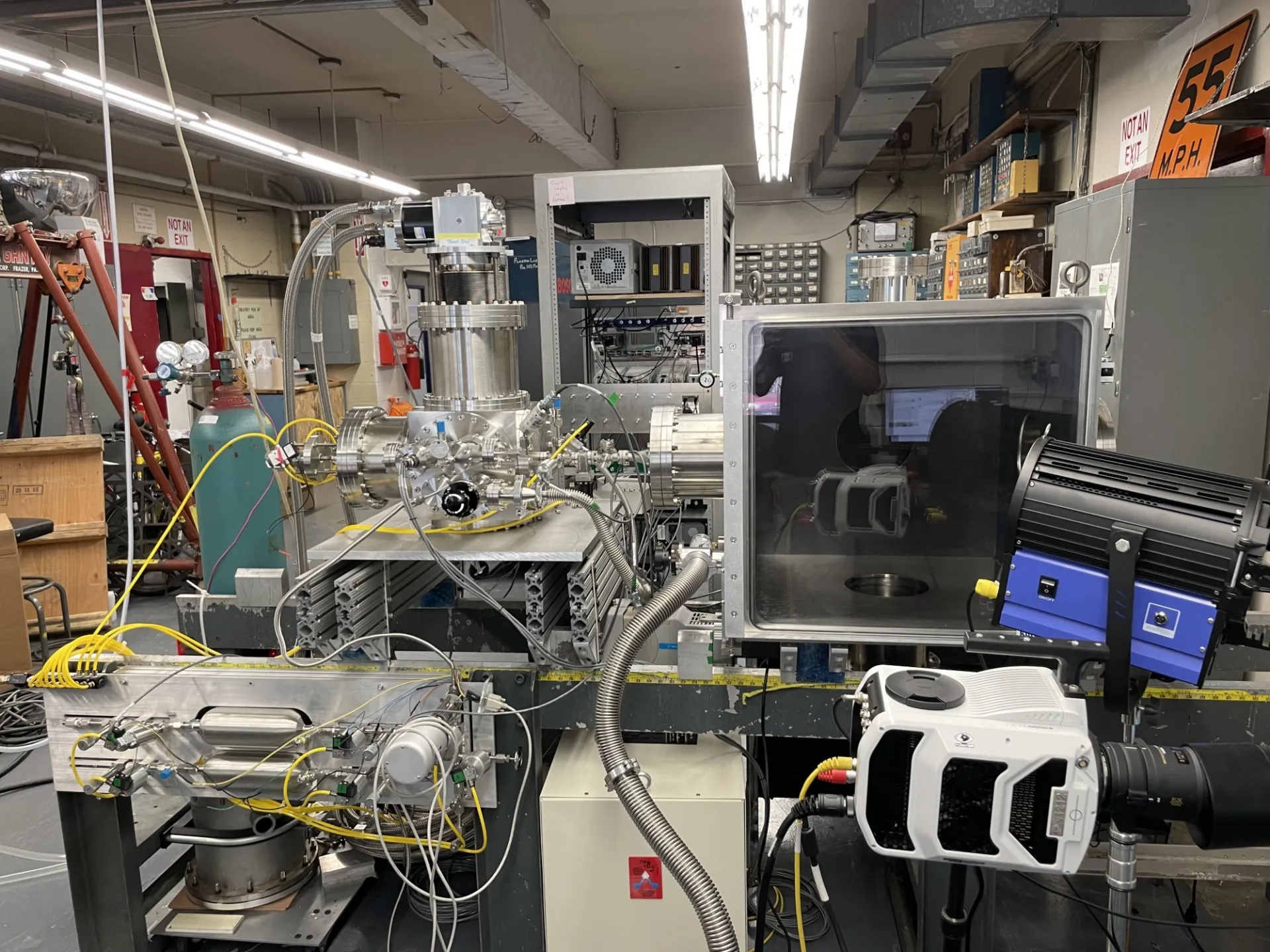
PAC features a “cold punch pipe gun” style pellet injector constructed in collaboration with Oak Ridge National Laboratory. The injector barrel, where the pellet is frozen at cryogenic temperatures and injected, is modular, allowing alternative barrel sizes and geometries. The incorporation of heaters along the barrel allows for flexible formation temperatures and thermal gradients. The injector input gas manifold features two gas species lines with a mixing vacuum chamber, allowing formation of two-species homogenous mixed pellets as well as shell pellets with distinct species boundaries. PAC currently utilises neon and hydrogen, with the capacity to use argon and deuterium.
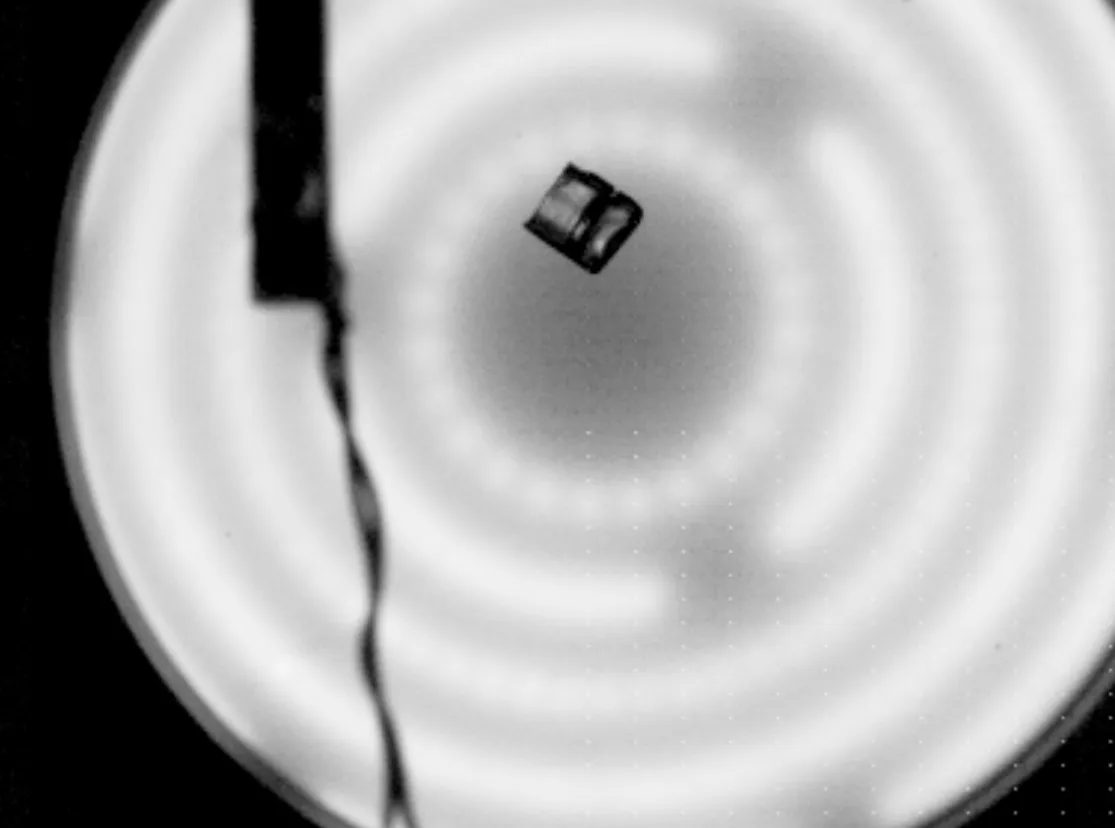
A large vacuum chamber along the injection line allows high-speed videography. A high-energy (up to 30 keV) electron beam is affixed to this chamber to provide fusion-relevant electron flux to study pellet ablation. In a plasma device, pellets are assimilated into the bulk plasma via ablation. PAC aims to better characterise pellet ablation as a function of electron temperature. The injection line incorporates upstream and downstream resonant microwave cavities serving as pellet volume diagnostics. The measurement of volume via dielectric response allows insight into the material properties of a given pellet. A LabVIEW scheme allows automated and consistent pellet formation. This allows for the development of pellet recipes that can be exported to national-scale user facilities.
Disruption Mitigation
This project is a part of Columbia University's broader disruption mitigation research, carried out also on the DIII-D National Fusion Facility.
Faculty and Staff
- Carlos Paz-Soldan